Welcome to nutrition facts information blog!
Have you ever pondered how certain inhabitants of Okinawa Island manage to live disease-free lives for over a century? This phenomenon has been scientifically verified! Their remarkable longevity can be attributed to their profound understanding of the available food sources, the nutritional content of those foods, and their culinary techniques employed in meal preparation. The residents of this small Japanese island adhere to a diet that is rich in nutrients, low in calories (averaging fewer than one calorie per gram), and composed of low-fat, low-carbohydrate foods. Their diet includes a modest amount of fish for protein and an abundance of green, orange, and yellow (GOY) vegetables and fruits.
Indeed! The right nutrition is akin to the appropriate workout regimen!
Research studies shown that the type of foods consumed during the early years of life establishes the metabolic pace of the body for the remainder of one's life. Thus, the benefits of cultivating healthy eating habits during one's formative years are extensive and enduring.
Nutrition, health, and wellness are intricately interlinked. Deviations from a balanced diet can have a substantial impact on our overall health and well-being. Regrettably, our dietary habits have gradually shifted away from their natural, traditional patterns, leading to the introduction of various harmful agents into our bodies with each passing day.
 Fruits |
 Vegetables |
 Nuts and Seeds |
 Herbs |
 Spices |
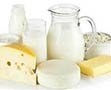 Dairy Products |
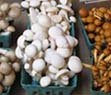 Mushrooms |
 Seafood |
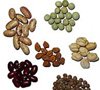 Legumes |
 Cooking oils |
 Herbal Tea |
 Articles |
In today's modern food industry, a multitude of preservatives, artificial colorants, additives, and chemicals are commonly employed to enhance the taste, appearance, and shelf life of the food we consume. Unfortunately, some of these substances can accumulate within our bodies, manifesting their harmful effects in the form of diseases, cancers, and genetic abnormalities in newborns, often sooner rather than later.
Therefore, it is crucial to gain a comprehensive understanding of our body's nutritional needs. Many of us are curious about what constitutes a well-balanced diet for maintaining good health and enjoying a productive life. The primary objective of this blog is to inform readers about the nutritional content of the food items readily available to them, including their antioxidant properties, storage considerations, processing methods, and ultimately, their consumption.
Equipped with this valuable knowledge about nutrition, you can make informed choices when selecting food items that offer the right balance of nutrients, ensuring they are hygienic and free from harmful microorganisms and chemicals.
If you have any comments, suggestions, or if you would like to contribute nutrition-related information to this site, please don't hesitate to reach out to us.
We eagerly anticipate hearing from you!
Discover More on the Blog – Keep Reading!
Top 6 Tabasco peppers Nutrition facts and Health benefits

Fiery-hot yet tantalizing, tabasco peppers add punch to any bland dishes. Nonetheless, they compose several health-benefiting flavonoid antioxidants, vitamins, and minerals. The peppers are key ingredients, along with salt and vinegar, in the preparation of Tobasco sauce.
Continue reading "Top 6 Tabasco peppers Nutrition facts and Health benefits"
Sockeye Salmon Nutrition facts and Health benefits

Sockeye salmon is a popular species of salmon found in the Pacific Ocean and is known for its bright red flesh, firm texture, and rich flavor. Its pinkish-orange, oily flesh is a rich source of carotenoid antioxidant astaxanthin, Omega-3 fatty acids, protein, and vitamins A, D, and Niacin.
Continue reading "Sockeye Salmon Nutrition facts and Health benefits"
Top 7 Shallots Nutrition facts and Health benefits

Shallots belong to the Allium family of bulb vegetables. They differ from the onions in being smaller, less pungent, and grow in clusters of bulbs. Calories- 72/100g, Pyridoxine- 0.345 mg (26%), Vitamin A- 1190 IU (35%).
Continue reading "Top 7 Shallots Nutrition facts and Health benefits"
Top 9 Fenugreek leaves (Methi) Nutrition facts and Health benefits

Mild yet aromatic, tangy flavored fenugreek leaves are traditional nutritious winter season leafy greens. Leaf fenugreek nutrition indeed is packed with several vital antioxidants such as flavonoids, dietary fiber, vitamins, and minerals.
Continue reading "Top 9 Fenugreek leaves (Methi) Nutrition facts and Health benefits"
Ultra-Processed Foods: What They Are, Why They are Harmful, and How to Cut Back
Ultra-processed foods are heavily manufactured products made with additives, preservatives, sugars, salts, and unhealthy fats that go far beyond simple cooking. While convenient and tasty, regular consumption is linked to obesity, diabetes, heart disease, and other serious health risks...Read on.
Continue reading "Ultra-Processed Foods: What They Are, Why They are Harmful, and How to Cut Back"
Top 10 Choy Sum (Chinese flowering cabbage) Nutrition Facts and Health Benefits

Choy sum (Chinese flowering broccoli) is a popular cool-season, leafy greens native to mainland China. The greens are abundant sources of antioxidants, Vitamin C-46 mg (71% DV), Vitamin A-766 IU (25% DV), and folates-425 mg (106% DV).
Continue reading "Top 10 Choy Sum (Chinese flowering cabbage) Nutrition Facts and Health Benefits"
Lemon balm tea- 10 Amazing health benefits

Lemon balm tea (Melissa officinalis) has soothing effects on the nervous system. It helps relieve fatigue, and stress-related headaches and induces quiet sleep. Find out more health benefits.
Continue reading "Lemon balm tea- 10 Amazing health benefits"
Acerola (West indian cherry) Nutrition facts and Health benefits

Acerola cherries hold: Calories 32 cal/100 g, vitamin C-1677.6 mg (1864% DV). Native to the South American continent, the cherries compose several health-benefiting antioxidants, vitamin-C, vitamin-A, minerals, and potassium. Vitamin-C and Anthocyanin antioxidants in them have proven benefits against infections, aging, and cancer.
Continue reading "Acerola (West indian cherry) Nutrition facts and Health benefits"
7 Amazing Jackfruit Nutrition facts and Health benefits
Jackfruit nutrition profile: Calories-95, Vitamin B6-0.329 mg (25% DV), vitamin A- 110 IU (3.7% DV), vitamin C- 13.7 mg (23% DV). Unique, and delicious, it is rich in energy, dietary fiber, minerals, and vitamins yet contains no saturated fats or cholesterol. Read on.
Continue reading "7 Amazing Jackfruit Nutrition facts and Health benefits"
9 amazing Pumpkin seeds Nutrition facts and Health benefits
Find out the amazing pumpkin seeds nutrition facts. Pepitas indeed are packed with antioxidants and health-promoting amino acids such as tryptophan and glutamic acid. Calories-559 per 100 g, Protein-30.23 g (54% DV), folates-58 μg (15% DV), niacin-4.987 mg (31% DV), thiamin-0.273 mg (23% DV), vitamin E-35.10 mg (237% DV), potassium-809 mg (17% DV), copper-1.343 mg (149% DV), iron-8.82 mg (110% DV), manganese-4.543 mg (198% DV).
Continue reading "9 amazing Pumpkin seeds Nutrition facts and Health benefits"